
HEALING PROGRAMMES
A glimpse into our teaching style at Guru Paduka Yoga.
The journey of teaching Yoga is also a journey of learning. Over countless hours of practice, observation, teaching and listening, our understanding of Yoga continues to unfold.
There is a student within every Guru… and every student brings something of their own to the practice: curiosity and discipline, challenge and devotion, courage and a willingness to grow.
Over the years, this relationship with Yoga has naturally evolved into a series of focused programs, each created to explore a different dimension of our physical, mental and inner well-being.
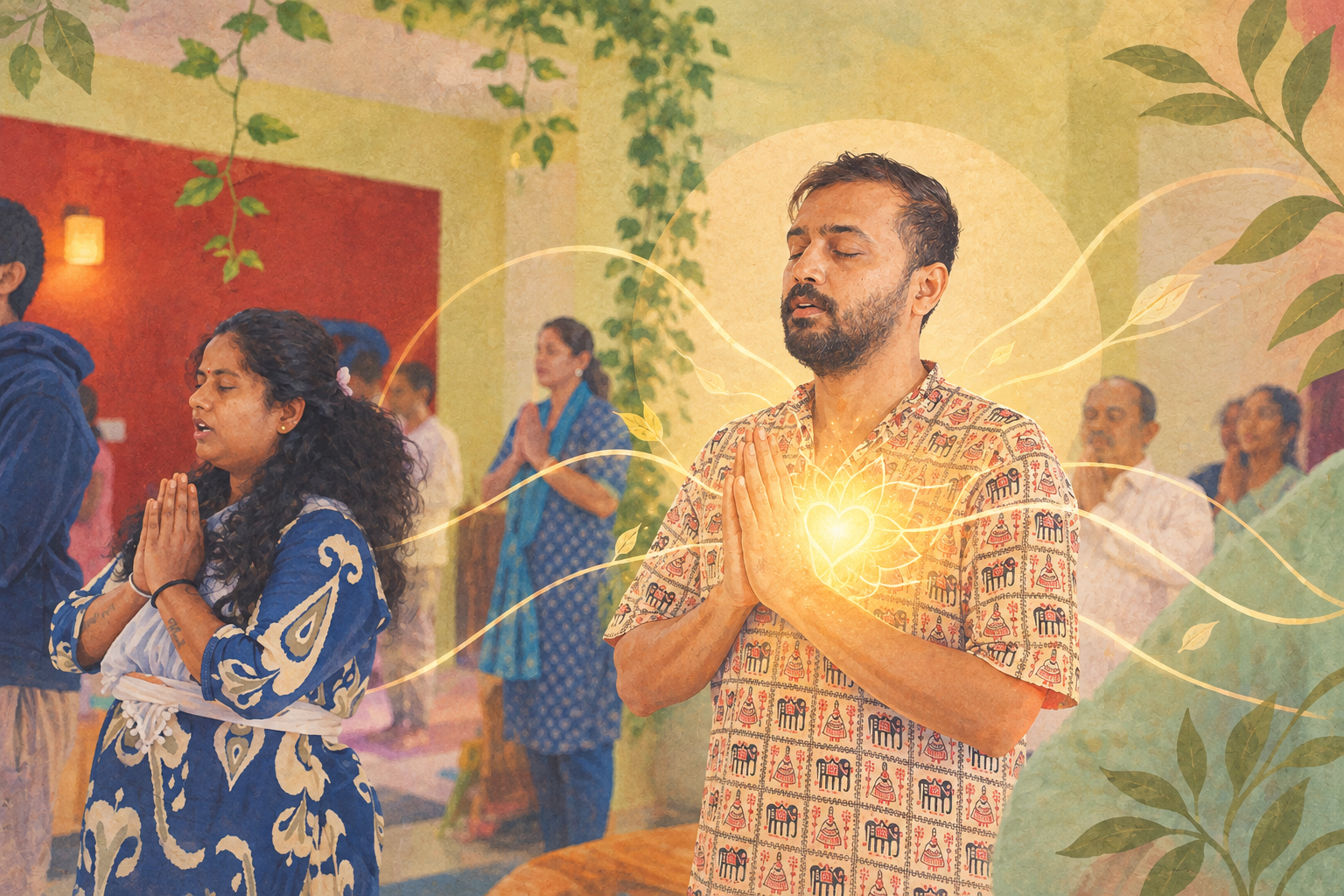
These are not separate from Yoga, but different ways of approaching its vastness, allowing the practice to meet us where we are.
01 — PROGRAMME
Manomitra
“Man jeeta, jag jeeta.- Hindi proverb”
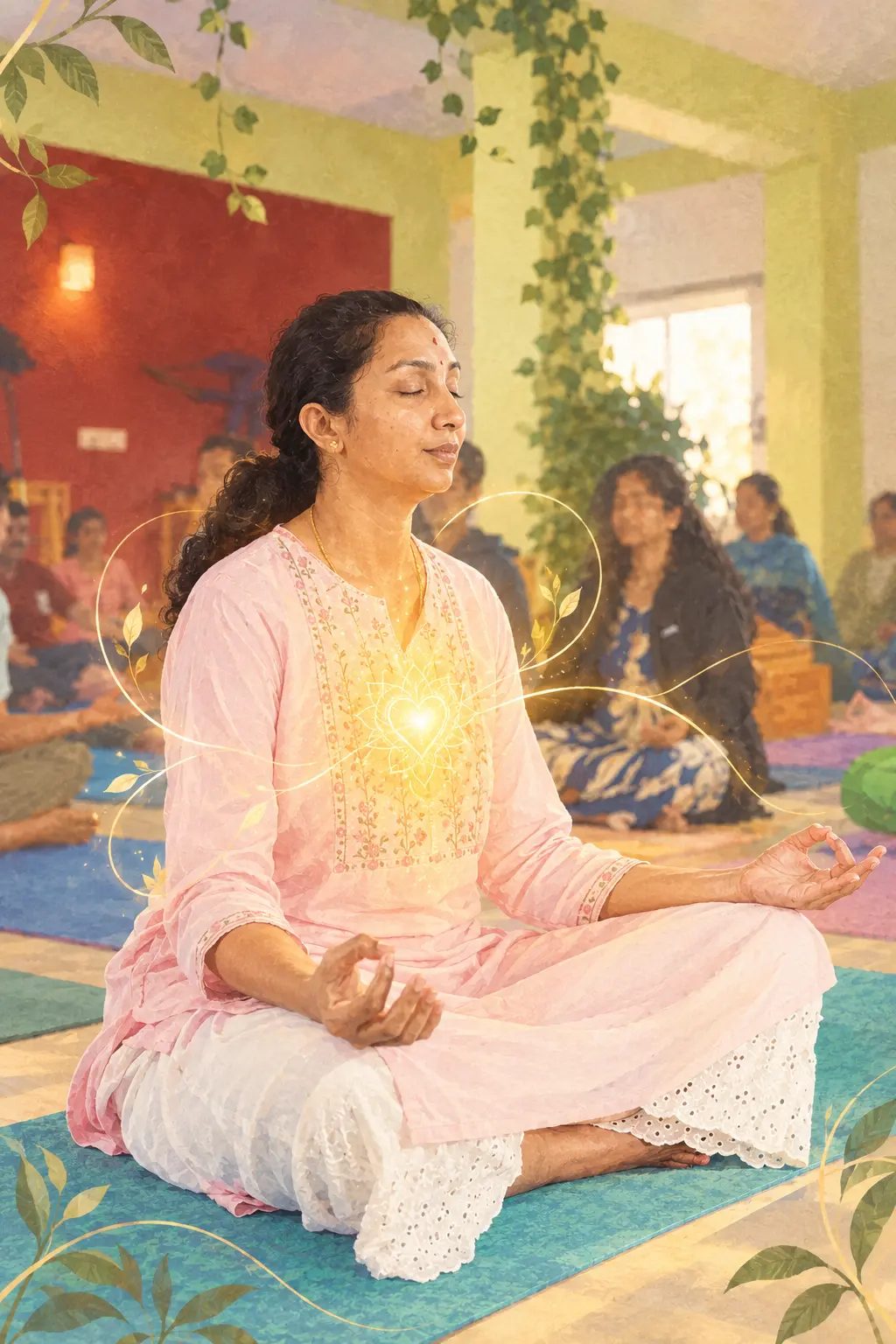
The mind can be our greatest source of restlessness, or our greatest companion. Manomitra, meaning friend of the mind, begins with this simple yet profound relationship.
Through a carefully coordinated sequence of asanas, mudras, relaxation, balancing practices and conscious breathwork, the practice gently brings the body and breath into a state of greater ease, allowing the nervous system to settle and the mind to become clearer.
As the mind becomes quieter, awareness begins to take its place. Participants have experienced greater clarity and a sense of ease in navigating demanding situations, including the decisions and challenges that arise in everyday work.
Perhaps what makes Manomitra most beautiful is its simplicity. It does not demand a particular age or level of experience. From a child of eight to an adult of seventy, the practice can be approached with the same spirit: to understand the mind, befriend it, and gradually bring it into balance.
02 — PROGRAMME
Vayumitra 1
“As long as there is breath in the body, there is life. When breath departs, so does life. Therefore, regulate the breath.”
Breath is one of the quietest expressions of life, yet it is deeply connected with the way we experience our body and mind.
In a world where changing environments and declining air quality have become part of everyday life, caring for the breath becomes an important part of caring for ourselves. Alongside a more sustainable way of living, Yoga invites us to develop the resilience to meet changing circumstances with awareness.
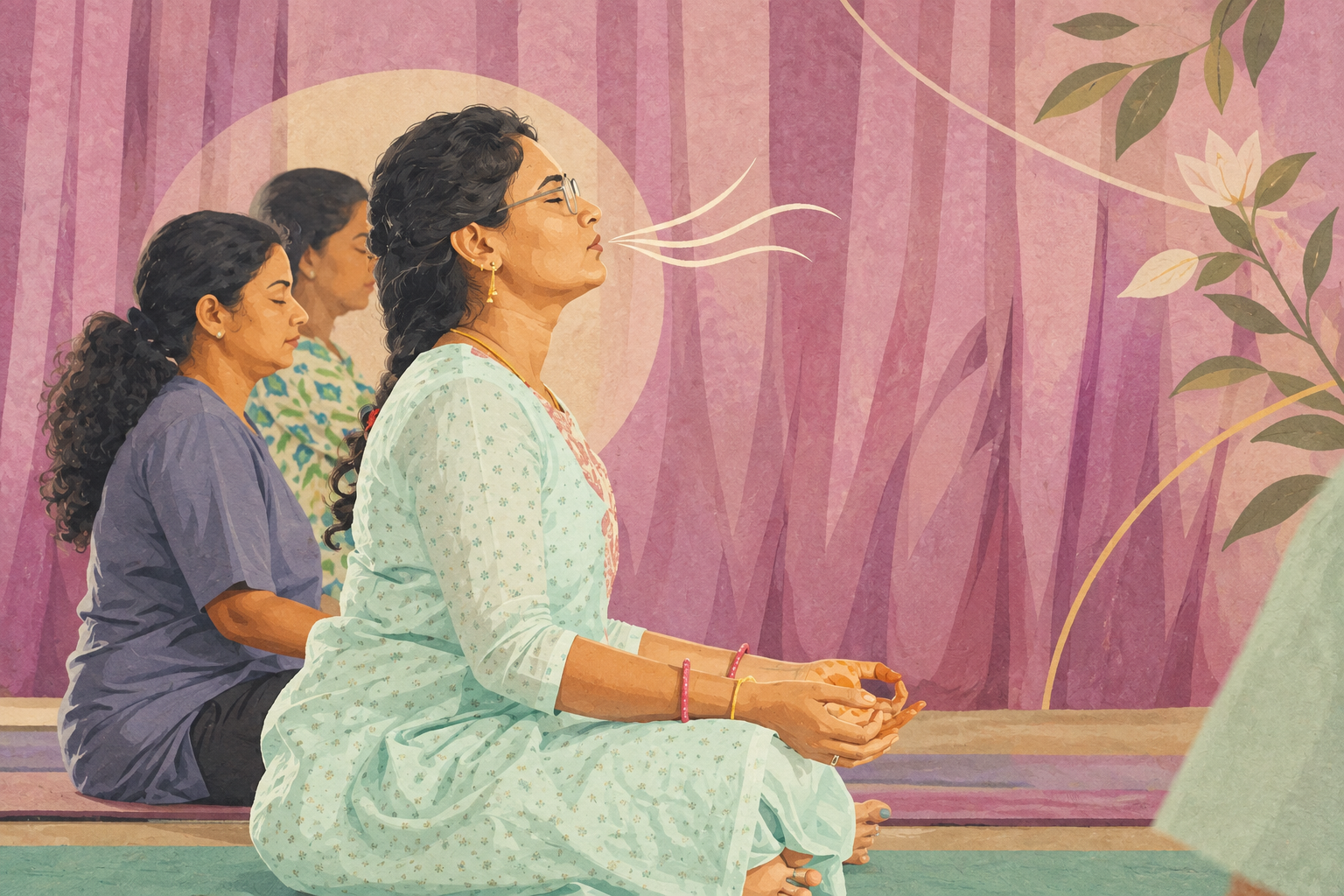
Vayumitra Prakar 1 works with the breath through a carefully sequenced combination of asanas, mudras and kriyas, with particular attention to breathing at the nasal and chest levels.
The practice is intended to cultivate greater ease in breathing and has been associated by participants with improvements in experiences of nasal, throat and chest congestion. Some participants have also reported changes in their reliance on oral medication and inhalers.
At its heart, Vayumitra is not simply about breathing more. It is about becoming aware of the breath, refining it, and discovering the quiet influence it has upon the whole system.
03 — PROGRAMME
Vayumitra 2
“Mind is the master of the senses, and breath is the master of the mind.”
When breath becomes conscious, it begins to reveal something about the mind.
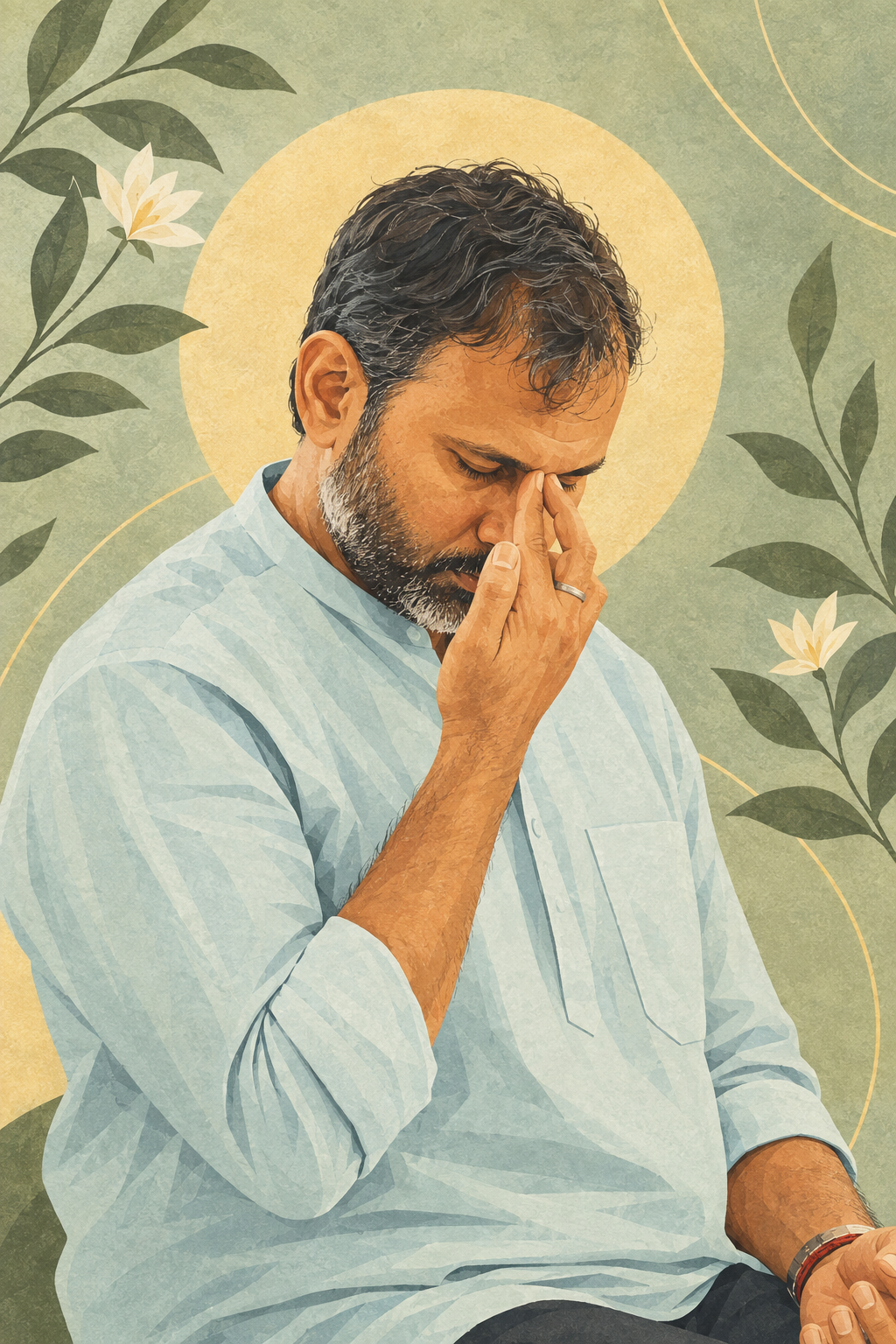
Vayumitra Prakar 2 moves deeper into this relationship. It is a carefully balanced sequence of breathing practices, building upon the foundation established through Vayumitra Prakar 1.
The practice brings together passive and forceful patterns of breathing, allowing the practitioner to experience different qualities of breath and their influence upon the inner state.
Rather than treating breath as merely a physical function, Vayumitra explores it as a bridge between the body and the mind, gradually cultivating a quieter and more balanced mental state.
The two stages are therefore naturally connected. Prakar 1 establishes familiarity with the breath; Prakar 2 explores its subtler possibilities.
An awareness of complementary practices, including Deha Mitra, further allows the practitioner to understand the body and breath as parts of one interconnected whole.
04 — PROGRAMME
Udara Mitra
“All disease begins in the gut.”
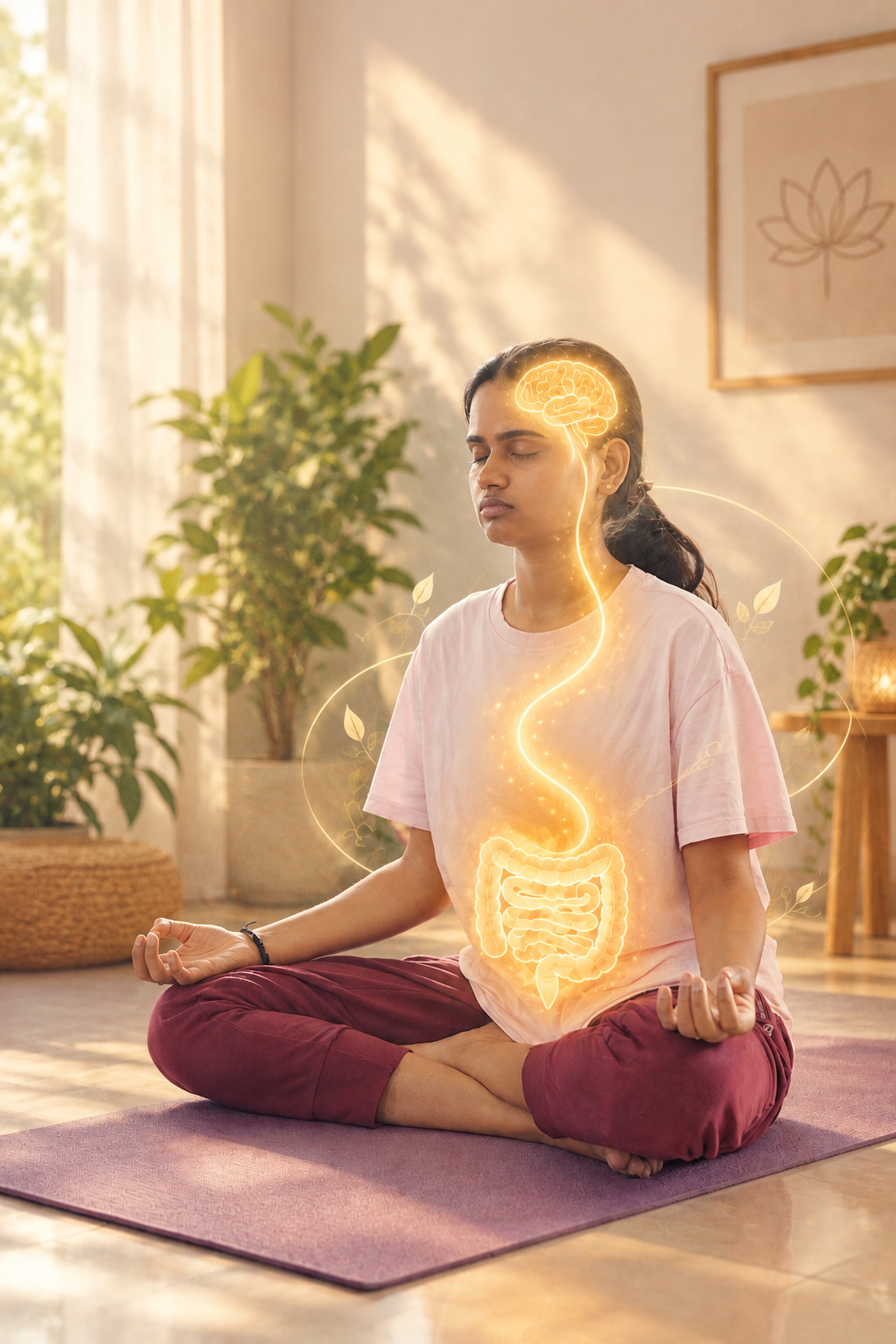
There is an ancient understanding, increasingly echoed by modern conversations around the gut and the brain, that what happens within us is rarely isolated.
Yoga takes this understanding deeper. It looks beyond the physical body and recognises the intimate relationship between mind, emotions and the functioning of the body.
When the mind is at ease and emotions are more balanced, the body too can experience a different quality of functioning. The relationship between the mind and the gut, now widely explored through the idea of the gut-brain axis, offers another window into this connection.
Udara Mitra works with this relationship through a specialised sequence intended to support digestion, reduce experiences of acidity, and cultivate greater confidence and ease.
For many practitioners, the value of the practice extends beyond the physical. As the body finds greater comfort, there can be a corresponding sense of lightness in the mind and a renewed confidence in one’s everyday life.
The deeper invitation of Udara Mitra is simple: to listen more closely to the conversation already taking place between the mind and the body.
05 — PROGRAMME
Deha Mitra
“I want a life with health and without disease.”
Health is not merely the absence of illness. It is the freedom to participate fully in life.
The World Health Organization describes health as a state of complete physical, mental and social well-being. This broader understanding resonates with the Yogic view that well-being is not confined to the physical body.
A body that functions with greater ease gives us freedom from unnecessary discomfort. Mental and emotional balance allows us to meet life with greater steadiness. And beyond ourselves, Yoga reminds us of our relationship with the community around us.
This is where forgiveness, seva and voluntary contribution become part of the understanding of health. When we learn to give, to participate and to contribute, something within us becomes more complete.
Deha Mitra brings these dimensions back to the physical body through a well-rounded sequence that works with spinal and joint health, encouraging greater awareness, stability and ease within the body.
Participants have described experiencing a distinctive sense of grounding and physical cleanliness upon completing the practice.
Ultimately, Deha Mitra is not simply about caring for the body. It is about recognising the body as part of a larger whole: body, mind, community and the quiet inner life that connects them.
Continue
The Journey Continues
Five programs, one practice. Wherever you begin, the invitation remains the same: to meet the body, the breath and the mind with a little more awareness each day.
Explore the Practices →Disclaimer
- Individual results will vary from person to person depending on body, mind and lifestyle.
- Please consult a doctor before signing up for any healing program.
- To know more, call us.